
Temporary care for pets impacted by FDV

RSPCA WA’s free Pets in Crisis program supports pet owners directly impacted by Family & Domestic Violence by providing a safe haven for pets for up to six months while transitioning to safe and secure accommodation.

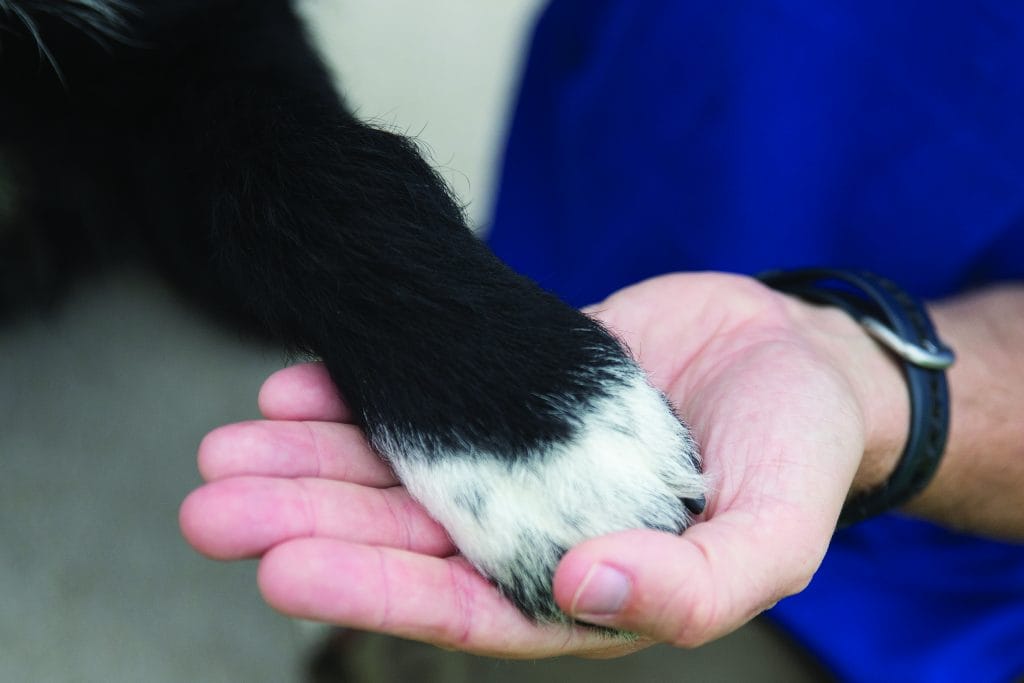
Dog paw holding hand
Kitten in bed

Quick facts:

  • Free food, shelter and care for domestic pets for up to 6 months.
  • Only available to pet owners directly impacted by Family & Domestic Violence while transitioning to alternative housing.
  • Available throughout Western Australia and delivered from RSPCA WA in Malaga.
  • Individuals and case workers can apply here.

How the program works

RSPCA WA’s Pets in Crisis program is a free service that provides temporary care and boarding for pets whose owners are experiencing immediate Family and Domestic Violence (FDV). Pets suitable for foster care are placed in a safe and caring foster home while their owners secure temporary accommodation or find a new home.

This support is available to people living across Western Australia and is delivered from RSPCA WA’s Animal Care Centre in Malaga.

Pets in Crisis offers peace of mind to pet owners impacted by Family & Domestic Violence (FDV), ensuring pets are safe and well cared for, allowing their owners to focus on their own safety and wellbeing.
How to access support

Individuals impacted by family and domestic violence can access support by reaching out directly or with the assistance of a support professional. Here’s how the process typically works:

  1. Get in touch.
    Pet owners can reach out themselves or a caseworker, healthcare professional, or support service can reach out on their behalf to confirm the service suits their situation before applying.
  2. Apply.
    Pet owners must complete an intake form for each dog, cat or other pet to ensure we have enough details to care for them. This can be done independently or with support from a professional.
    Dog intake form Cat intake form Other pet intake form
  3. Await assessment.
    RSPCA WA’s Pets in Crisis team will review the application to ensure Pets In Crisis is the right fit for the pet and their owner. If so, the pet owner will be sent an Owner Agreement Form to complete.
  4. Receive pet care and ongoing support.
    Once we accept a pet into our care, the team stays in contact with their owner’s case worker throughout their stay, with the goal of reuniting them when it is safe to do so.
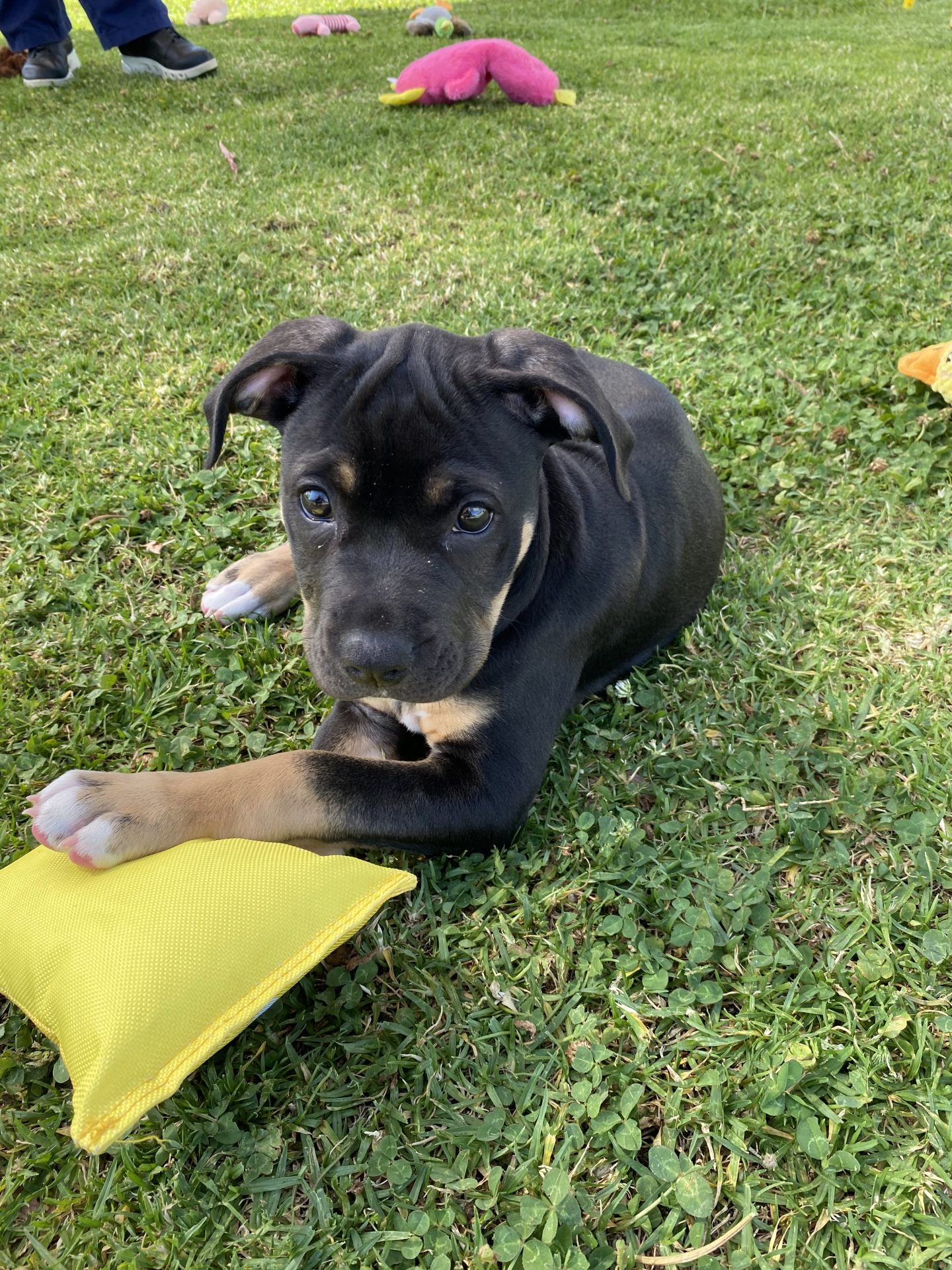
puppy lying on grass with toy

Pets in Crisis FAQs

What kind of pets can enter the Pets in Crisis program?

We have the resources to take in domestic pets such as dogs, cats, and pocket pets (rabbits, mice etc.) however we are unable to accept fish and larger animals such as horses or livestock

How much does the Pets in Crisis program cost?

The service is free – it is funded by the WA Government and RSPCA WA. If your pet requires complex veterinary treatment whilst in the program, this will be discussed directly with the owner prior to anything being done.

How long can pets stay in the RSPCA's care?

Pets can stay in the program for up to 6 months

I have more than one pet. How many can you take?

Providing your pets meet the enrolment criteria, we should be able to take them all. We will do our best to find a foster home where they can stay together, but if you have many pets, we may need to split them up across several foster homes.

Does my pet need to meet any requirements to be in the program?

Pets being enrolled in the program need to be safe enough to be handled by different people. As part of the application process, you are required to let us know if your pet has a history of aggression – in particular if they have bitten someone or caused injury. Any concerns will be discussed at the time of the application or after assessment when they arrive in care.

If an animal is unable to be placed into foster care due to their behaviour, or if they are a safety concern to others, they may not be suitable to remain in the program.

Your pet will also need to be sterilised, microchipped and vaccinated. We can arrange for animals entering the program to be sterilised, microchipped and vaccinated if they aren’t already.

Can I take my pet into the refuge with me?

We are currently working with some of the shelters in WA to organise on-site temporary accommodation facilities for animals. Ask your case worker to find out which shelters currently have emergency pet boarding facilities.

If I give you permission, can you go to my property and collect my pet without me being there?

Under the law, animals are considered property, so you (or a trusted friend or family member) will need to remove them from the property. If you feel unsafe returning to the property, a police escort can be arranged to accompany you or someone on your behalf. Once your pet is safely removed, they can be handed over to us, and police can assist in ensuring you leave the property safely.

My pet is not registered in my name. Can I still enrol them into the program

If your pet is not currently registered or microchipped (so there is no listed owner), we can organise this on your behalf and register the pet in your name. However, if the pet is already registered to someone else, we would need to discuss this further and explore available options to determine whether the pet can be accepted into the program.

What do I need to bring when I drop off my animal?

You don’t need to bring anything—bedding, toys, food, and other essentials will all be provided. If your pet is on a special diet or requires medication, please bring these with you if possible, or at least provide the names of the specific food or medication

My pet has been abused by the perpetrator. Can the RSPCA prosecute them?

If you have evidence, then you can report it to RSPCA WA. This will then be assigned to one of our Inspectors to investigate, like the many other reports they respond to daily. Evidence of cruelty (vet reports, video footage, external witnesses, etc.) is critical in order to successfully prosecute those who carry out acts of cruelty or neglect towards animals.

I have already left and had to leave my pet behind. How can I get them out of the house and into the program?

Under the law, animals are considered property, so you (or a trusted friend or family member) will need to remove them from the property. If you feel unsafe returning to the property, a police escort can be arranged to accompany you or someone on your behalf. Once your pet is safely removed, it can be handed over to us, and police can assist in ensuring you leave the property safely.

Will I be able to visit my pet while it's in foster care?

For the safety of all involved, pet owners and foster carers will remain anonymous to each other at all times both during and after the program. All contact passes through the Pets in Crisis team – the foster carer will provide us with updates and photos of your pet that we will share with you, and if there is information you would like to share with the foster carer, you can tell us and we will pass the message on for you.

When can I get my pet back?

When you are ready, you can request your pet back and we will arrange a time for collection. Please let our team know that you would like to collect your pet in advance, so we can arrange to have them ready for you.

I'm not sure if I can take care of my pet in future. What should I do?

RSPCA WA offers a surrender service for pet owners who can no longer take care of their animals. If you would like to surrender your pet for rehoming through the RSPCA, you can discuss this with our Pets in Crisis team.