
Why it’s important to prepare
Emergencies like bushfires, floods, storms, power outages or personal health emergencies can happen quickly. When they do, pets still rely on us completely. Having a simple plan helps you act quickly and ensure the safety of both you and your pet at short notice.
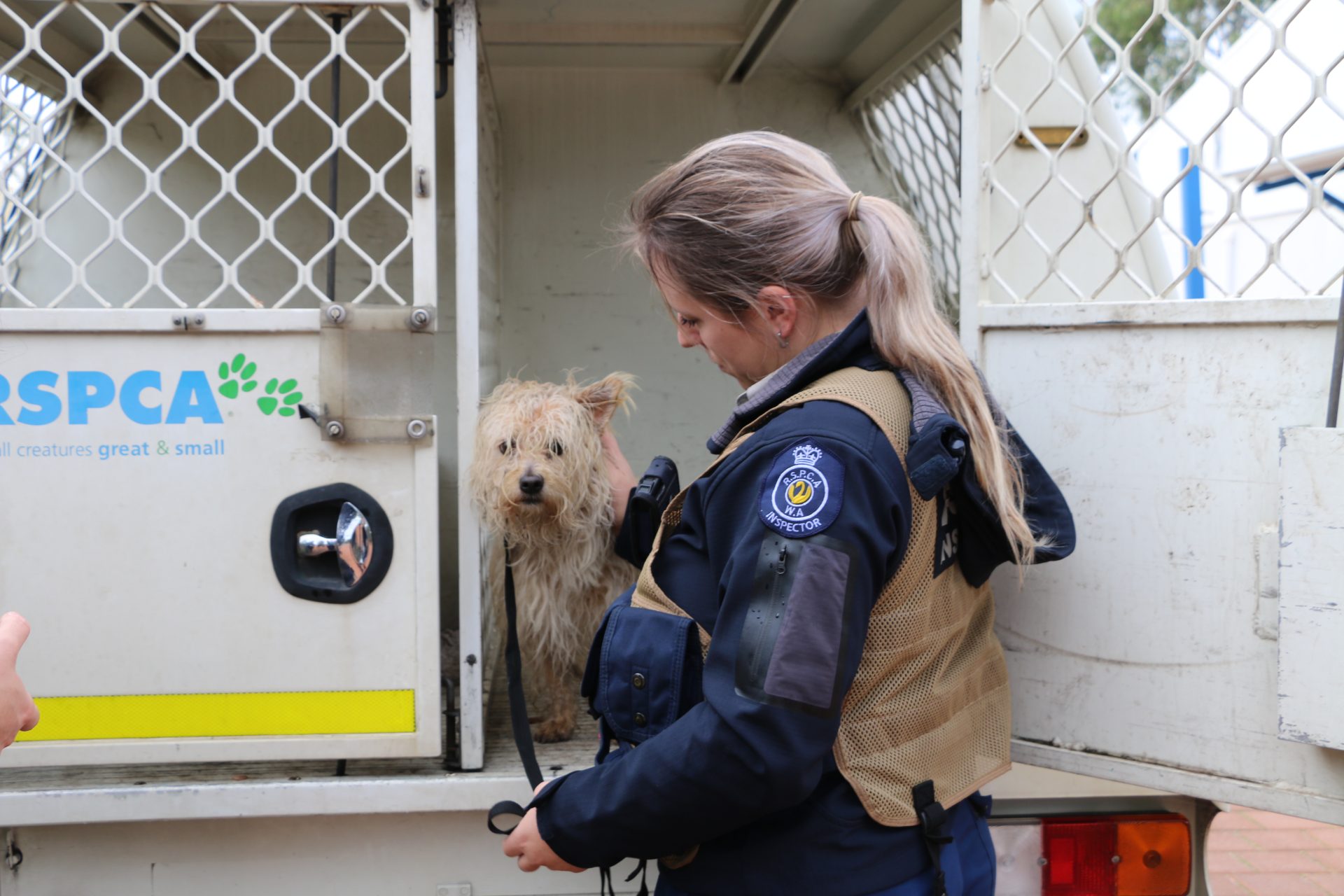
Unfortunately, you can’t always stay with your pet. Evacuation centres don’t always accept animals, and if you’re impacted by a personal health emergency, you may not be able to personally handover your pet. In these circumstances, it’s important to have the essential information and supplies available, so your pet continues to receive the care they need while you’re apart.
A simple 3-step plan
1. Get important information ready
Gather essential details about your pet in one place so you can take them with you in an instant. Be sure to include:
- Contact details for you and your emergency contacts
- Vet details and medical records
- Medications (with at least a week’s supply)
- Proof of ownership (registration or a photo of you with your pet)
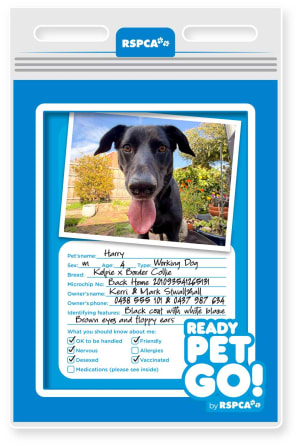
- A short pet profile (name, age, microchip number, behaviour, feeding needs)
Store these somewhere safe, like a waterproof, glow-in-the-dark RSPCA Ready, Pet, GO! Emergency wallet, which comes with a checklist and information kit to make recording key details easy.
2. Pack emergency pet supplies
Have a ‘grab and go’ kit ready with essentials, like:
- Food for at least a few days, along with bowls or feeders
- Medication and dispensary equipment, like syringes
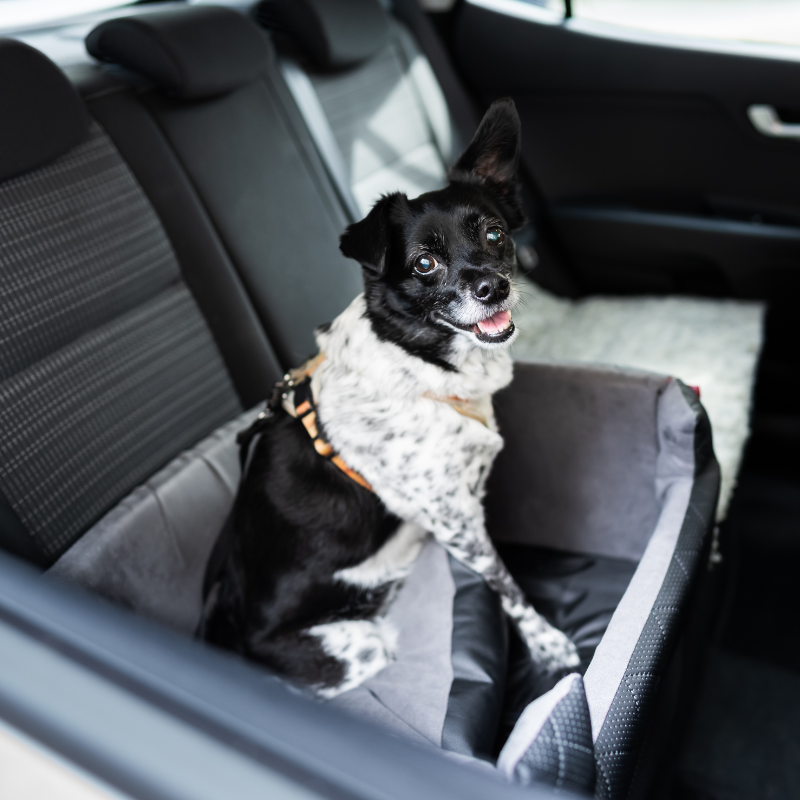
- A lead, harness or carrier
- Bedding, including blankets
- Toys or treats for comfort
- Toileting supplies, like a litter tray and waste bags
Keep this kit somewhere easy to access, along with your information wallet.
3. Get ready to go
Do the logistical planning ahead of time:
- Make sure your pet’s ID tags match the details in their information wallet so they can be easily identified.
- Think about where you would take your pet in an emergency and how you would get them there. This may be with a friend, family member, or a boarding home.
- Think of who you could ask to transport your pet if you’re not able to collect them yourself, and how they could access your pet and their supplies.
- Read the tips below for an idea of what to expect.
Pet emergency tips & resources
Tips to evacuate safely:
- Act quickly. Put pets on a lead or in a carrier. Pets often run or hide when they sense danger, making it difficult to evacuate with them.
- Know your destination. Visit Emergency WA to check that your route and destination are safe.
- Bring your kit. Take your information wallet and essential supplies, including medication.
- Stay calm and reassuring. Secure pets in your vehicle and keep them comfortable during transport.
- Leave a note behind. Let emergency services know that no people or pets have been left behind with a note to prevent unnecessary searches.
Tips for managing pets in emergency shelters:
- Follow staff instructions
- Keep pets secure in crates or on leads at all times
- Maintain feeding routines to reduce stress
- Keep pets away from human food areas
- Notify staff about any special needs or health issues
- Clean up after your pet and respect others’ space
Helpful resources:
- Ready, Pet, GO! Wallet for collecting and storing essential information in a convenient, durable and glow-in-the-dark pack.
- Pet Emergency Information Template for recording key pet information.
- DFES Emergency Plan for detailed advice on emergency preparation for both you and your pet.
- Emergency WA for real-time updates on emergencies and evacuation centres.