
Meeting your cat’s daily needs

More than food and water.
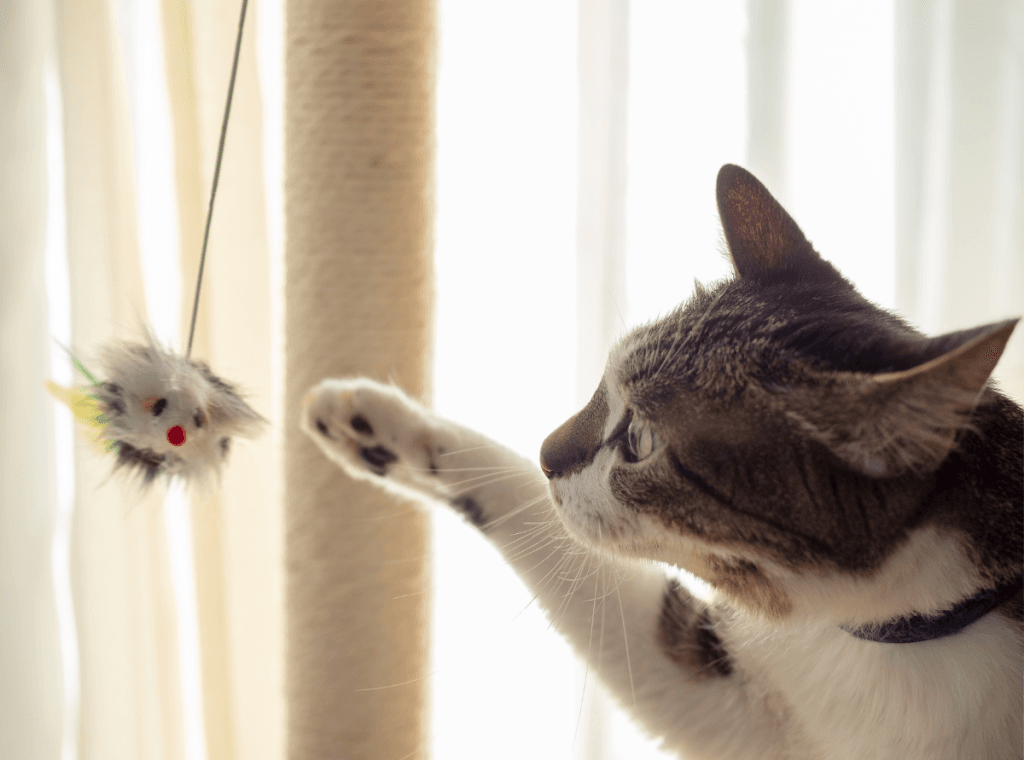
Alongside nutritious food, fresh water and a safe place to rest, cats need opportunities for exercise, mental stimulation and choice throughout their day to live healthy and happy lives.
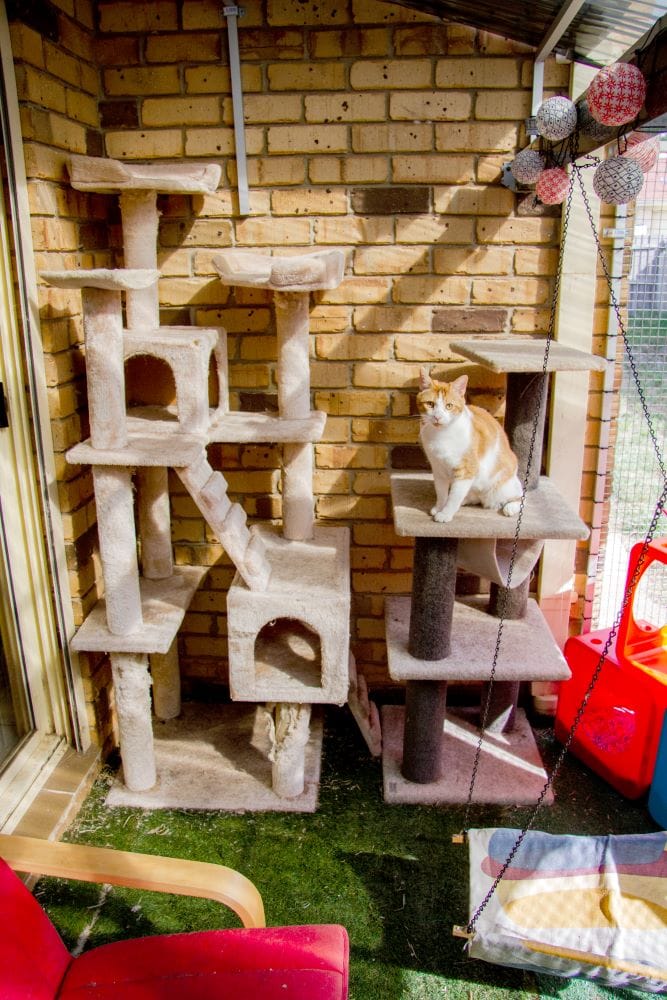
Cats need space to be themselves.
Cats are independent animals that benefit from having choice and control within their environment. Give your cat choices of where to rest, play and toilet, and opportunities to engage in normal behaviours like stalking, pouncing, climbing, scratching, hiding, retreating, and exploring.
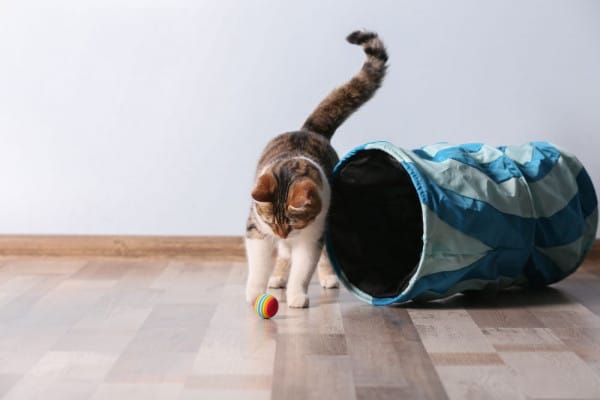
Playtime matters.
Cats seek out enrichment in their environment to stay mentally and physically active. This can include scratching posts, climbing towers, puzzle feeders, toys, safe outdoor enclosures, and regular playtime with you. Rotating toys and changing activities can help keep them interested and encourage natural hunting and problem-solving behaviours.

Don't forget grooming and dental care.
Regular grooming helps keep your cat’s coat and skin healthy and can reduce hairballs, matting and discomfort. In general, daily brushing for long-haired breeds and weekly for short-haired breeds is recommended.
Dental disease is a common health issue in cats, so be sure to maintain your cat’s dental health with regular brushing, dental chews and dental-friendly diets.

Attending to your cat’s health
Prevention is key.
The best way to manage your cat’s health is to prevent common health issues before they arise and address issues early. This means less suffering for your cat, fewer costly bills and peace of mind that your cat is at their best.
Preventative healthcare is as simple as regular vet checks, key vaccinations, regular parasite treatments (for fleas, worms and ticks) and regular dental care.
Put it in the diary.
Set reminders for when your cat’s next parasite treatments and vet check-ups are due. We recommend a vet check-up every 6-12 months for healthy cats, or more frequently if advised by your vet.
If in doubt, call your vet.
Finding information online may be helpful for minor concerns, but nothing beats individual consultation and advice from a qualified professional. If you are concerned about the ongoing cost of vet bills, you may wish to consider pet insurance, like RSPCA’s kitten and cat insurance.
Useful information:
Containing your cat
There’s no place like home.
Keeping your cat at home is important for your cat’s safety and the safety of wild animals. Cats who are contained at home are at less likely to be injured by cars, cats, dogs, and other animals. They’re also less likely to contract diseases from other animals and face other risks of roaming.
Transition from roam to home.
Even if your cat is accustomed to roaming outdoors, they can be happy at home with a few small adjustments. Things like cat runs or a ‘catio’ can help meet your cat’s behavioural needs to roam and prey.
Watch and learn.
In the video below, Socks the cat highlights the very real safety risks roaming cats face and shows how simple adjustments at home can give cats a happier, healthier life…
Useful information:
The legal requirements of owning a cat
Sterilise your cat.
In Western Australia, cats must be sterilised (or “desexed”) by the time they reach six months old. This prevents unwanted litters and their impact on local wildlife and animal shelters. If you adopt a cat from RSPCA WA, your cat will already be sterilised.
Microchip, register and tag your cat.
In Western Australia, cats must be microchipped and registered with your local council by the time they reach six months old. They will also need to wear their registration tag when in public so they can be identified if found. If you adopt a cat from RSPCA WA, your cat will already be microchipped.
Ensure your cat’s basic welfare.
Under WA’s Animal Welfare Act 2002, it is considered a cruelty offence to abandon an animal, fail to care for their basic needs (according to the Act) or cause unnecessary harm, suffering or injury.
While the Act sets the legal requirements of pet owners in WA, RSPCA WA advocates for a higher basic standard of animal welfare. By following the advice on this page, you’re upholding a higher standard and improving the welfare of animals in Western Australia. Thank you.
The RSPCA Knowledgebase
Search Australia’s most trusted source of animal welfare science, advice and information, including animal behaviour guidance, pet care FAQs and more than 700 expert articles.