Understanding dog body language
Being able to interpret a dog’s body language is very important as it helps us to know whether a dog is safe to approach.
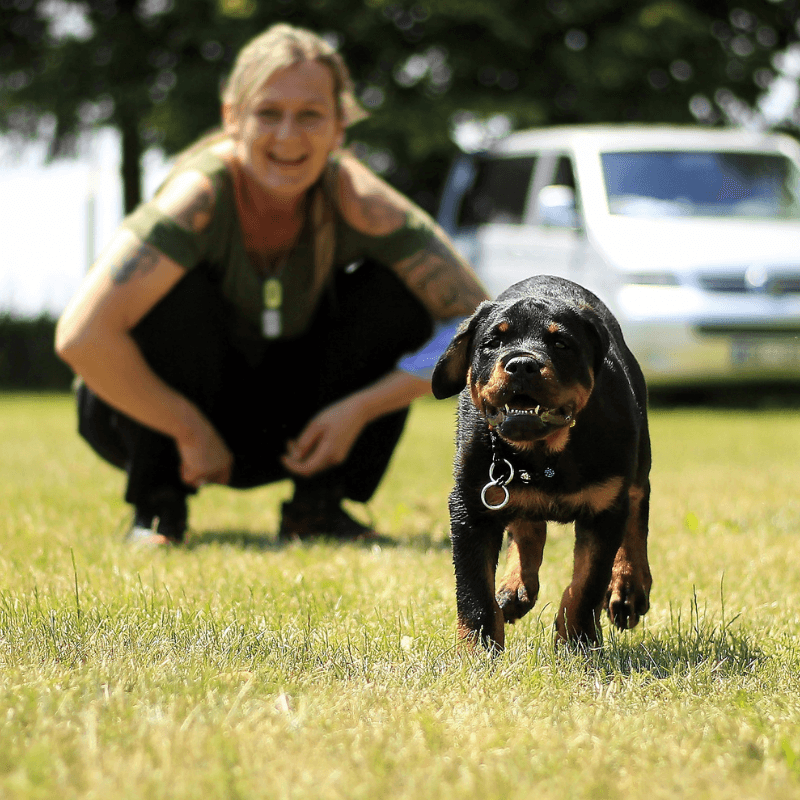
Angry dog = unsafe to approach
- The dog’s teeth are bared
- The lips are curled back
- The ears are stiff
- The tail is held high and stiff, but may be wagging just a little bit
- May be barking or growling

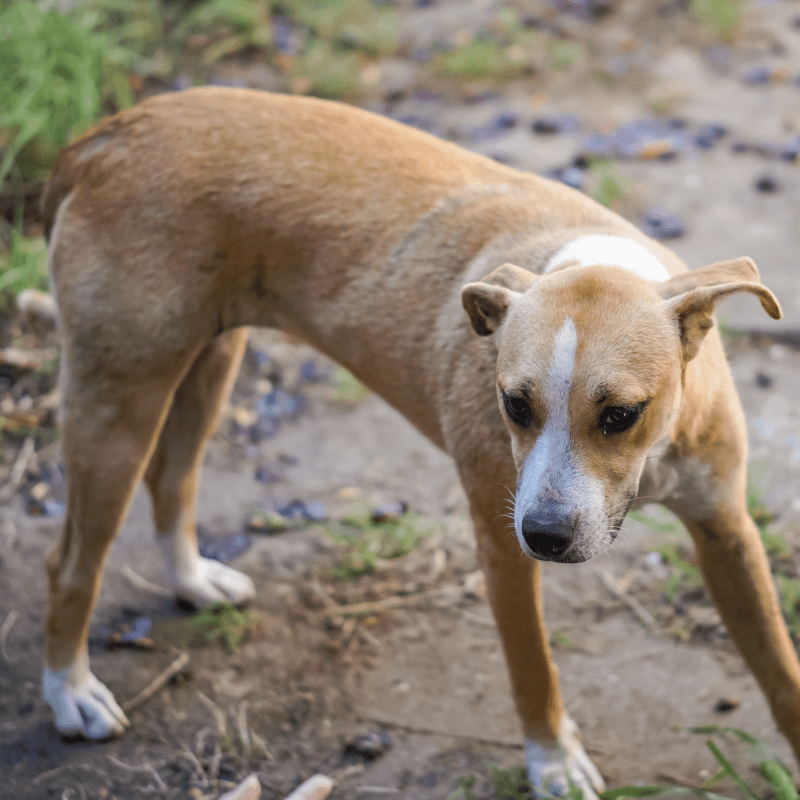
Scared dog = unsafe to approach
- Ears are low or back
- Tail is low and still or between legs
- Head is low
- Body may be shaking or close to the ground

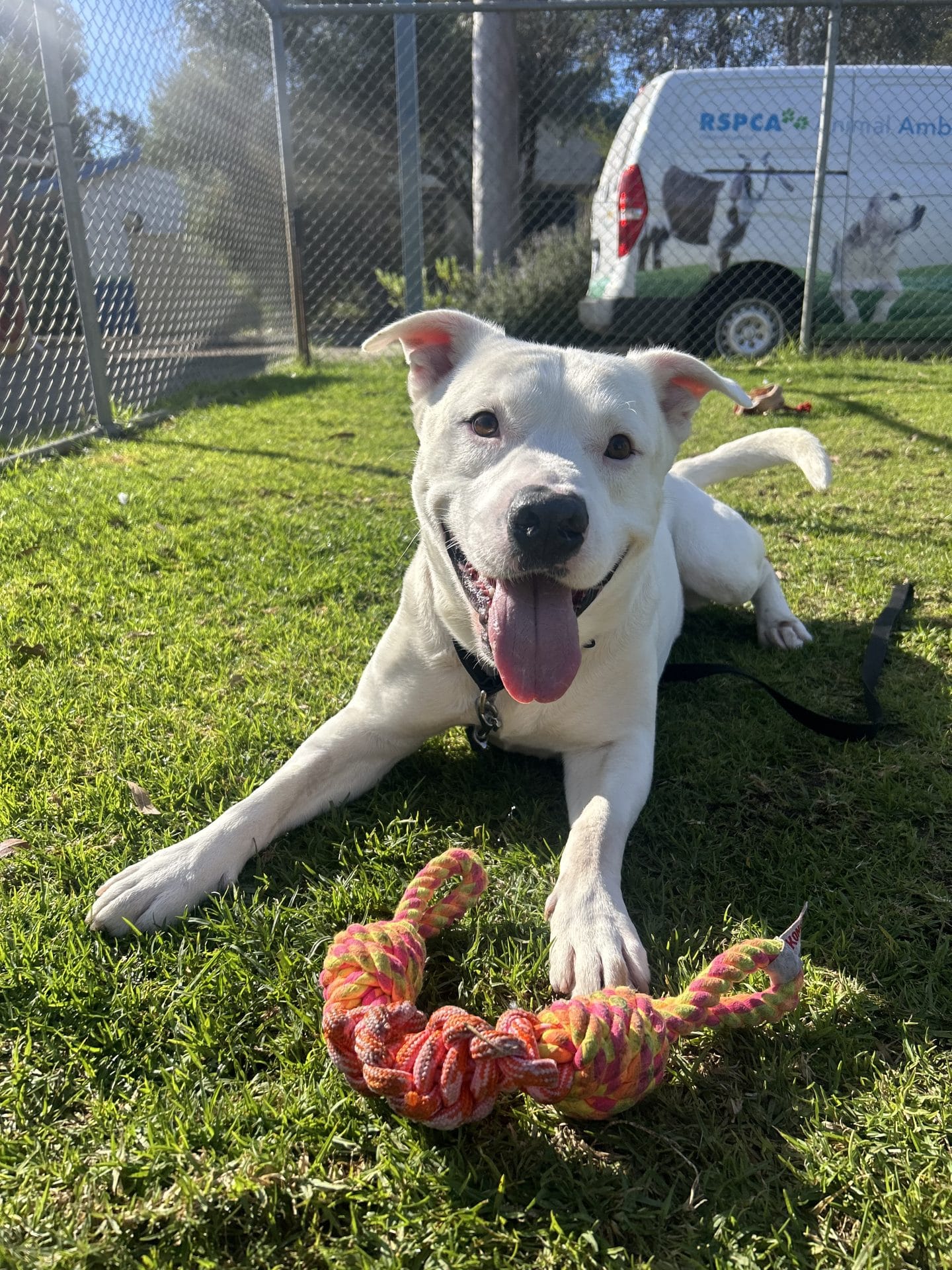
Happy dog = safe to approach, but still ask the owner first
- Ears are forward and relaxed
- Tail is low and wagging
- Mouth is open and relaxed

Understanding why dogs might bite
Dogs don’t bite without a reason. Most bites happen because a dog is:
- injured, unwell or in pain
- frightened, anxious or overwhelmed
- protecting something important to them, such as food, toys, their home or a family member
- feeling trapped or threatened
- being disturbed while resting, eating or caring for puppies.
Even a friendly dog may react if they feel unsafe or uncomfortable. That’s why it’s important to respect a dog’s space and pay attention to what they’re telling us through their body language.
Tips for meeting a dog for the first time
If you’d like to approach a dog:
- Ask the owner’s permission first.
- Let the dog choose whether they want to approach you.
- Stand quietly with your hands by your sides.
- Turn slightly sideways to appear less intimidating.
- Allow the dog to sniff you.
- If the dog seems relaxed and interested, gently pat their chest or shoulder.
- If the dog moves away, respect their choice and give them space.
Not every dog wants to meet new people, and that’s okay.
If a dog approaches you and you feel uncomfortable:
- Stand still.
- Cross your arms over your chest.
- Tuck your chin down.
- Stay quiet.
- Avoid staring at the dog.
- Don’t run away. Running may encourage a dog to chase.
To sum it up: be like a tree. Most dogs will lose interest when there is nothing exciting happening and move on.
Tips for interacting safely with dogs
Avoid:
- Approaching a dog you don’t know without permission.
- Putting your face close to a dog’s face.
- Hugging, grabbing or restraining unfamiliar dogs.
- Disturbing a dog while they’re eating, sleeping or caring for puppies.
- Extended eye contact with dogs you don’t know well.
- Approaching a dog that is tied up or confined.
- Chasing, yelling at or startling a dog.
- Pulling a dog’s tail or ears.
- Running, scooting or riding close to an unfamiliar dog.
Do:
- Ask a parent or guardian and the dog’s owner before patting a dog.
- Approach calmly and quietly.
- Stand sideways rather than facing the dog directly.
- Allow the dog to come to you and have a sniff.
- Pat the dog’s chest or shoulder rather than reaching over their head.
- Respect the dog’s choice if they move away.
- Always supervise children around dogs.
By respecting a dog’s space and listening to what they’re telling us, and encouraging children to do the same, we can help build safer communities for both people and pets.
The RSPCA Knowledgebase
Search Australia’s most trusted source of animal welfare science, advice and information, including animal behaviour guidance, pet care FAQs and more than 700 expert articles.