About this guide
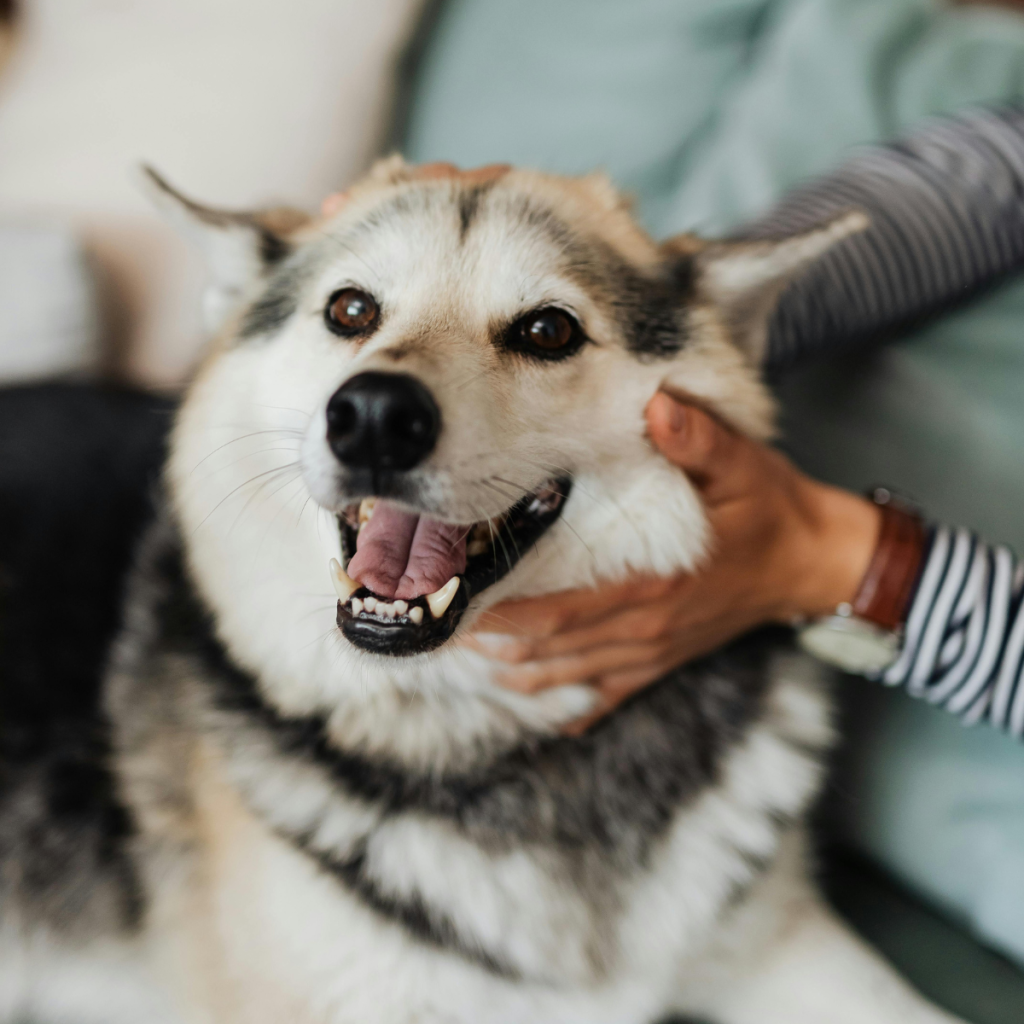
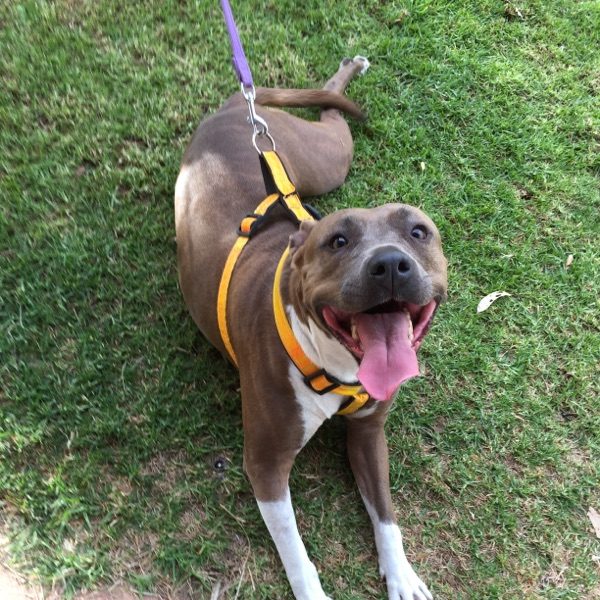
Caring for a dog is a significant responsibility, but it doesn’t have to be an overwhelming one. In this guide, we share evidence-based information and resources on how to keep your puppy or dog happy and healthy.
PLEASE NOTE: The information in this guide is general in nature and does not replace tailored advice from a veterinarian or animal specialist. Please contact your veterinarian for information and advice.
In this guide:
Settling your dog into your home
Give them time.
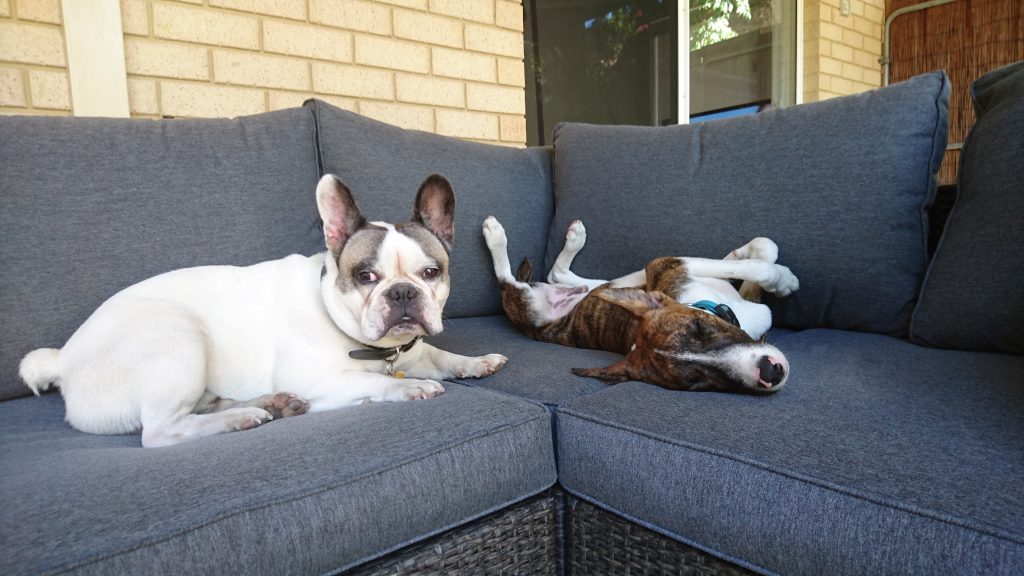
Moving into a new home is a big change for any dog. Whether you’ve adopted a puppy or an adult dog, it’s normal for them to feel overwhelmed, anxious or unsure of their new surroundings. Be patient and allow them time to adjust at their own pace, especially when familiarising them with other dogs, cats and children.
Create a safe space.
Set up a quiet, comfortable area where your dog can rest and retreat when they need a break, and don’t invade this space. Allow your dog to approach new experiences in their own time and use rewards, praise and gentle encouragement to help them form positive associations.
Establish a routine.
Dogs thrive on predictability. Establishing consistent routines around feeding, toileting, exercise, training and rest can help your dog feel secure and build confidence in their new environment.
Useful information:
Training your dog
Every man and their dog needs it.
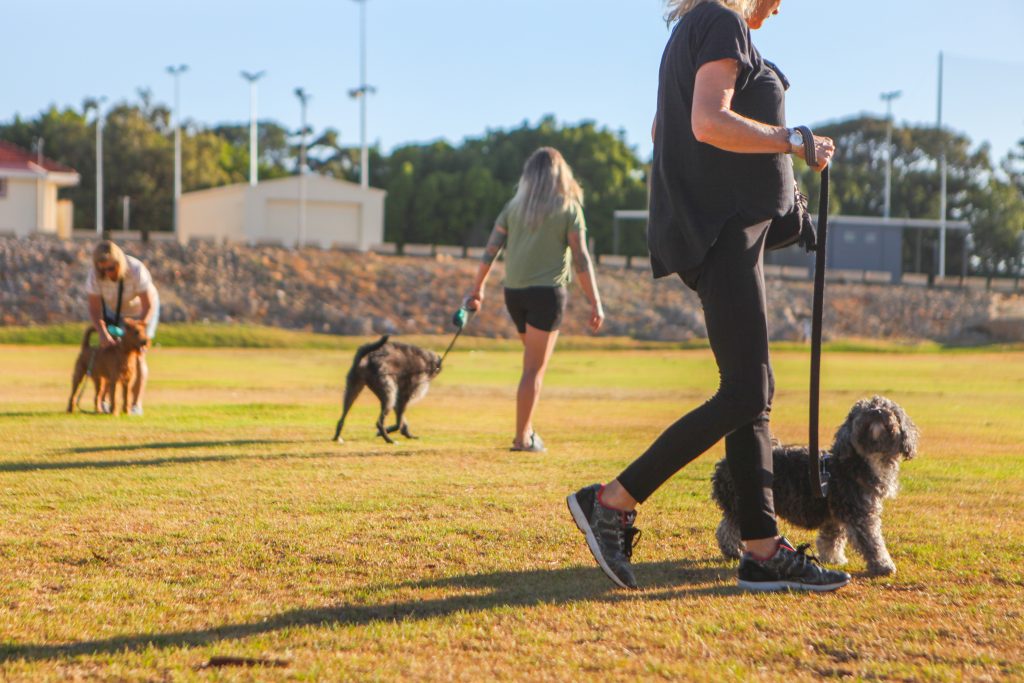
Training your dog is important to ensure safety, build trust and communication with your dog, manage their behaviour appropriately, and support their mental development.
Start early.
Training starts in the first 3-17 weeks of a puppy’s life – a critical learning period that shapes their mental health and behaviour. Expose your puppy to different sights, sounds, smells, people and other animals in a positive way to develop their capacity to interact well with the world around them.
Keep it positive.
We recommend rewards-based training – a positive reinforcement approach which is both effective and enjoyable for your dog.
Consistency is key.
Whether you’re attempting the basics like toileting and recall, or addressing complex behaviour like anxiety or aggression, all training requires time, patience and consistency from the whole household.
Expert help is available.
Training a puppy or dog can be overwhelming without the skills or experience to understand, communicate with and motivate your dog. RSPCA WA offers best-practice puppy and dog training group courses and one-on-one sessions to give you the skills and strategies to nurture a well-trained dog.
Useful information:
Meeting your dog’s daily needs
More than food and water.
Alongside nutritious food, fresh water and a safe place to rest, dogs need opportunities for exercise, social interaction, mental stimulation and choice throughout their day to live healthy and happy lives. Click here to find out more about this evidence-based approach to animal welfare.
Exercise the body and mind.
The amount of exercise a dog needs varies depending on their age, breed, health and personality. Daily walks, play, training and enrichment activities can help maintain physical health, prevent boredom and reduce unwanted behaviours.
Enrichment matters.
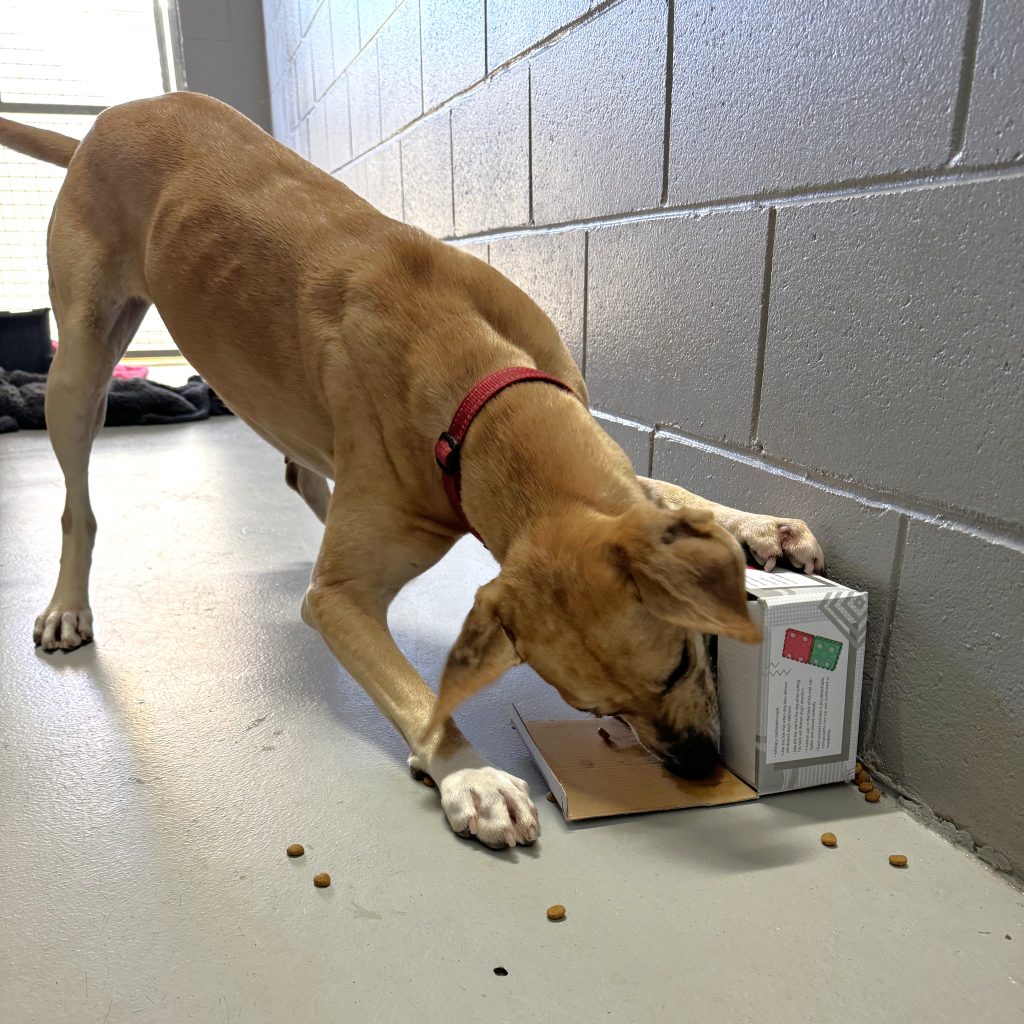
Enrichment encourages dogs to express their natural behaviours, such as exploring, sniffing, chewing, digging and problem-solving. Food puzzles, scent games, training sessions and rotating toys are simple ways to keep your dog mentally engaged.
Don’t forget grooming and dental care.
Regular grooming helps keep your dog’s coat and skin healthy while allowing you to check for lumps, injuries or parasites. Dental care is equally important, with dental disease being one of the most common health issues affecting dogs. This can include regular brushing, dental chews and dental-friendly diets.
Every dog is different.
There is no one-size-fits-all approach to care. Understanding your dog’s individual needs and preferences will help you provide a good quality of life and strengthen your bond with them.
Useful information:
Transporting your dog
Safety first.
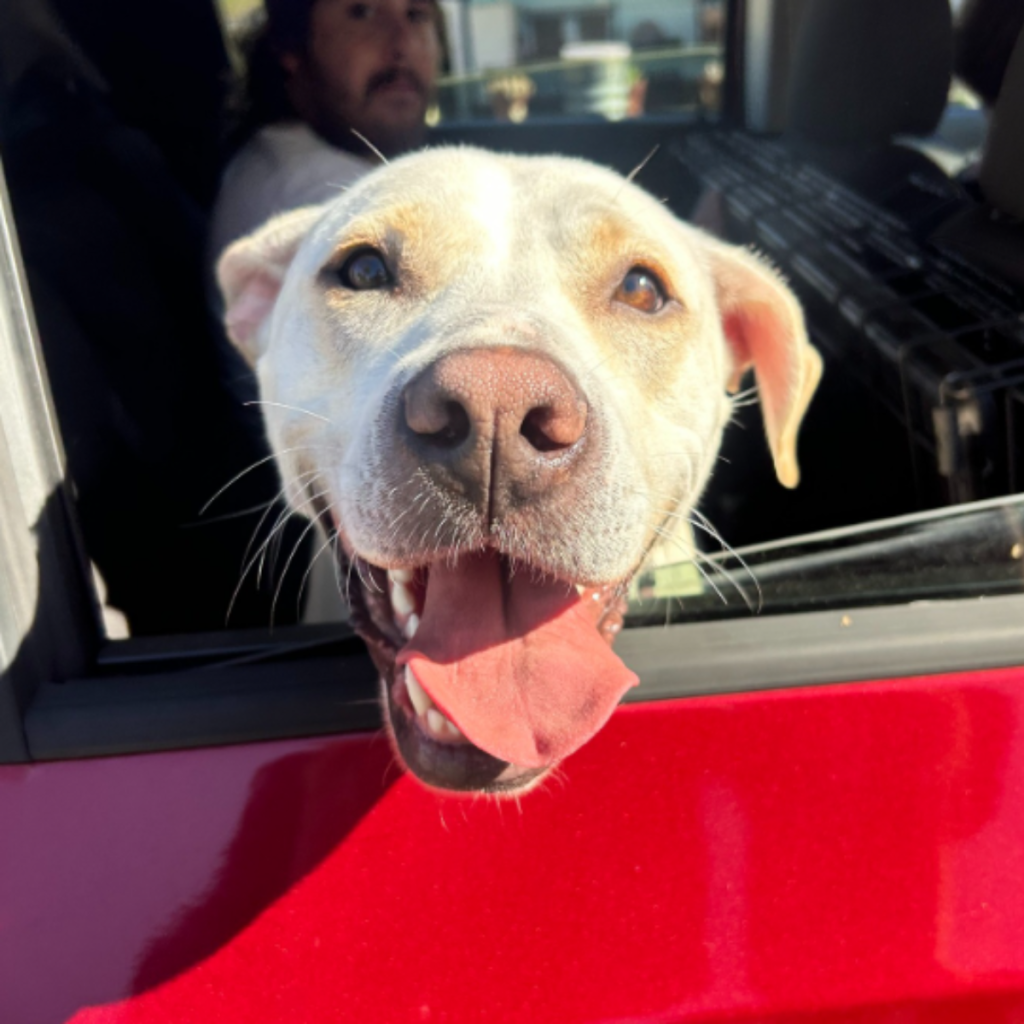
In Western Australia, it is legally required to safely restrain your dog in a vehicle, which may be done with a seatbelt restraint for pets (available at pet stores, including the RSPCA WA Retail Store) or a secure crate or carrier.
Avoid the front seat.
We recommend restraining your dog in the backseat of the car, where they’re less likely to distract you and will be out of the force of a passenger airbag, which could cause serious harm.
Bring them on pit stops.
The temperature inside a parked car can quickly reach double the outside temperature, which can kill a dog in just six minutes. Even on a cool day, leaving your dog in a parked car can cause heatstroke in minutes, so you should never leave your dog unattended in a car. In WA, penalties of up to $50,000 may apply if you do.
Useful information:
Attending to your dog’s health
Prevention is key.
The best way to manage your dog’s health is to prevent common health issues before they arise and address issues early. This means less suffering for your dog, fewer costly bills and peace of mind that your dog is at their best.
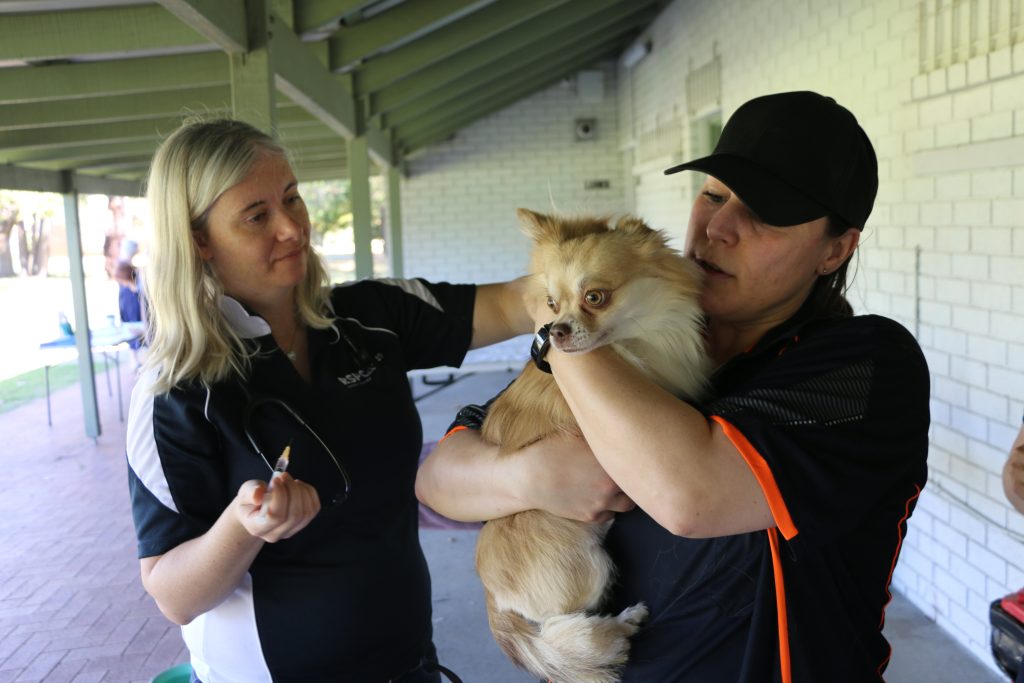
Preventative healthcare is as simple as regular vet checks, key vaccinations, regular parasite treatments (for fleas, worms and ticks) and regular dental care.
Put it in the diary.
Set reminders for when your dog’s next parasite treatments and vet check-ups are due. We recommend a vet check-up every 6-12 months for healthy dogs, or more frequently if advised by your vet.
If in doubt, call your vet.
Finding information online may be helpful for minor concerns, but nothing beats individual consultation and advice from a qualified professional. If you are concerned about the ongoing cost of vet bills, you may wish to consider pet insurance, like RSPCA’s puppy and dog insurance.
Useful information:
The legal requirements of owning a dog
Sterilise your dog.
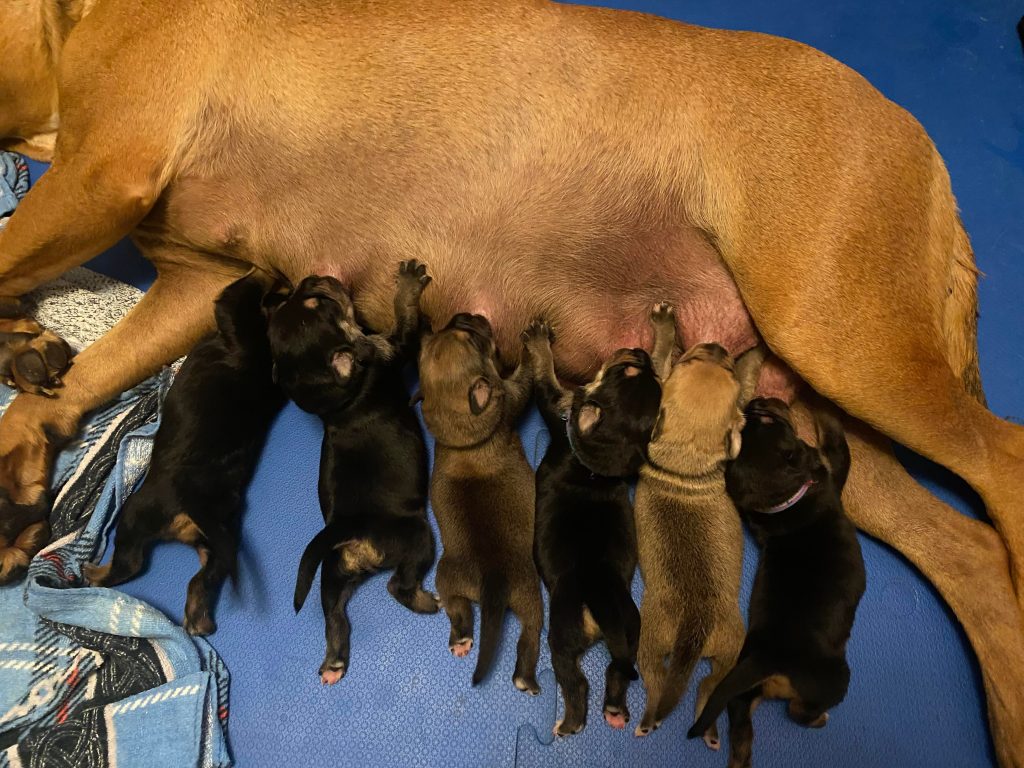
In Western Australia, dogs must be sterilised (or “desexed”) by the time they reach two years old. This prevents unwanted litters and their impact on local wildlife and animal shelters. If you adopt a dog from RSPCA WA, your dog will already be sterilised.
Microchip, register and tag your dog.
In Western Australia, dogs must be microchipped and registered with your local council by the time they reach three months old. They will also need to wear their registration tag when in public so they can be identified if found. If you adopt a dog from RSPCA WA, your dog will already be microchipped.
Ensure your dog’s basic welfare.
Under WA’s Animal Welfare Act 2002, it is considered a cruelty offence to abandon an animal, fail to care for their basic needs (according to the Act) or cause unnecessary harm, suffering or injury.
While the Act sets the legal requirements of pet owners in WA, RSPCA WA advocates for a higher basic standard of animal welfare. By following the advice on this page, you’re upholding a higher standard and improving the welfare of animals in Western Australia. Thank you.
The RSPCA Knowledgebase
Search Australia’s most trusted source of animal welfare science, advice and information, including animal behaviour guidance, pet care FAQs and more than 700 expert articles.