WA’s animal cruelty hotspots revealed as cases jump by 12 per cent
RSPCA WA has revealed Western Australia’s animal cruelty hotspots for 2025–26, as the number of cruelty cases investigated across the State jumped 12 per cent to 8,065.
Cruelty investigations have now risen by 22 per cent over the past five years, with RSPCA WA substantially increasing its frontline capacity to meet growing demand.
The City of Swan remains the LGA generating the highest number of cruelty reports in metropolitan Perth with 746, while the City of Wanneroo is again second highest with 572. The City of Stirling recorded 417 reports, a 25 per cent increase which elevated it to third highest in 2025–26.
The City of Kwinana also recorded a 25 per cent increase in reports while the City of Mandurah recorded a 36 per cent jump.
The suburbs generating the highest number of reports were Armadale (146), Baldivis (129), Gosnells (118) and Ellenbrook (107).
In regional WA, the City of Greater Geraldton had the highest number of reports with 200. The City of Bunbury (191) and City of Albany (138) round out the top three.
Cruelty report totals for each local government area and suburb are available on RSPCA WA’s interactive cruelty data dashboard, which now allows report numbers to be considered in the context of population, showing the number of reports per 1,000 residents.
RSPCA WA Chief Operating Officer Hannah Dreaver said the organisation’s 2025–26 statistics reflected continuing pressure on animal welfare services across the State.
“More than 8,000 cruelty cases investigated in a single year is an enormous workload, and a 12 per cent increase in just 12 months shows the demand is continuing to grow,” Ms Dreaver said.
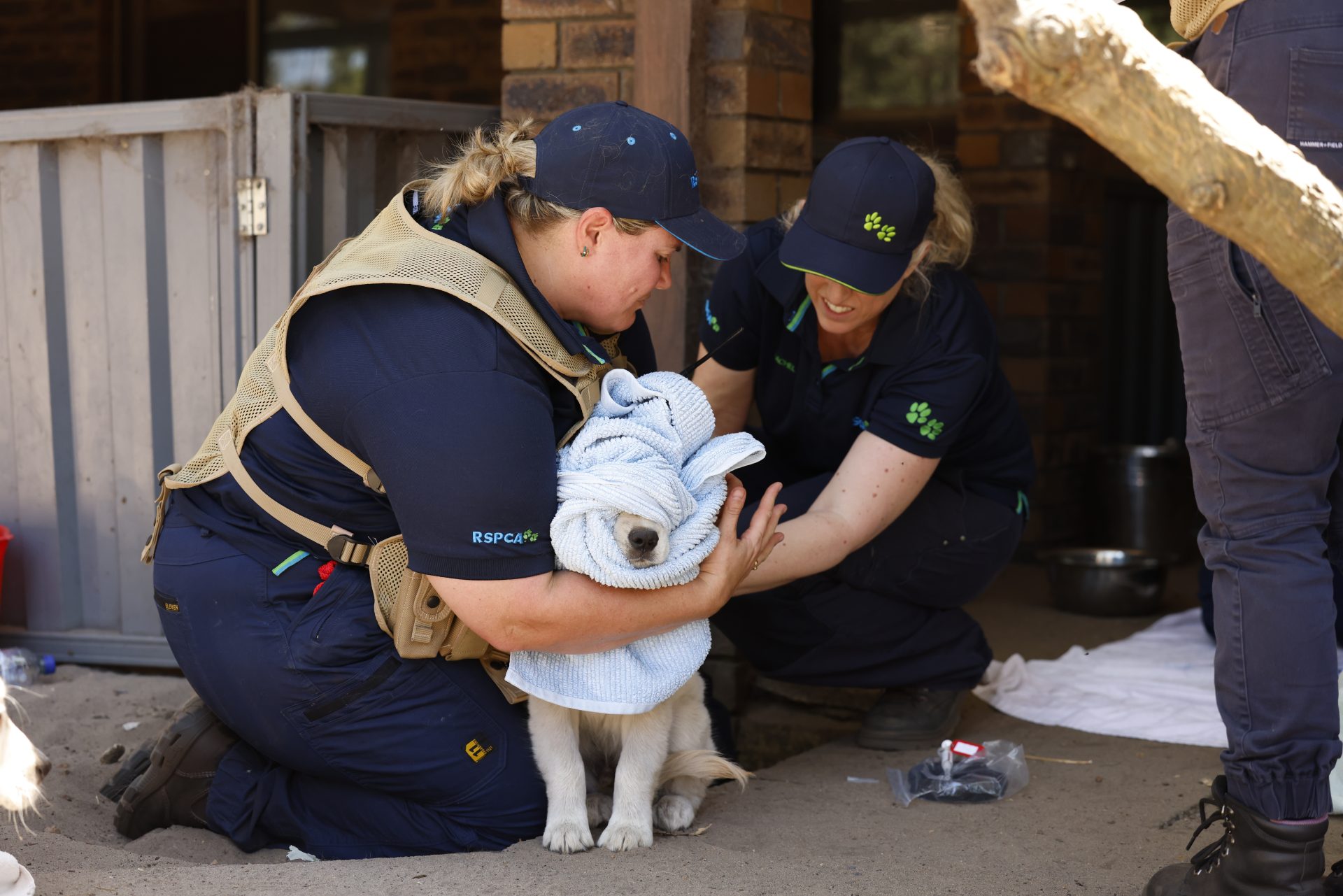
“We have significantly increased our frontline capacity to respond to demand and improve inspector safety with the number of full-time inspectors increasing from 12 to 25 during the year, including trainees.
This has allowed inspectors to always work in pairs and has strengthened our ability to investigate cruelty across WA.”
RSPCA WA successfully finalised 53 prosecution cases, up 29 per cent from 41 the previous year and continuing a three-year increase from 36 cases in 2023–24.
Reports relating to insufficient care rose 22 per cent during 2025–26. This category includes animals without adequate food, water or shelter, and animals not receiving vet treatment when they need it.
Ms Dreaver said the increase reinforces the importance of the entire spectrum of RSPCA WA’s functions.
“Our work spans education and advocacy, practical support for pet owners, early intervention and community outreach, through to cruelty investigations and prosecution for offences under the Animal Welfare Act.”
RSPCA WA cared for 2,505 animals during the year, an increase of six per cent, while its veterinary team delivered 14,713 consultations and medical procedures – almost 20 per cent more than the previous year and more than 60 per cent higher than two years ago.
Ms Dreaver said the growth in vet activity, well above the increase in animals entering care, reflected the increasingly complex needs of many animals coming through RSPCA WA’s doors.
“Many require repeated consultations, surgery, treatment or rehabilitation before they are ready to move on from our care.”
Demand for RSPCA WA’s community support programs also grew strongly during the year.
Attendance at community outreach days, where pet owners can access free animal health checks, pet food, and flea and worm treatments, increased 25 per cent to 1,810 people. In total, 2.6 tonnes of pet food was distributed – a third more than last year.
RSPCA WA’s Pets in Crisis program, which provides temporary care for the pets of people fleeing family and domestic violence, increased dramatically. One hundred animals came through the program in FY26, a 72 per cent jump.
“Together, all of these figures show both the growing demand for RSPCA WA’s services and the breadth of our animal welfare work,” Ms Dreaver said.
“We are increasing our capacity to investigate cruelty and hold offenders accountable, while at the same time strengthening prevention, education, and support programs to reduce the risk of further welfare issues.
“Ultimately, all of that work has the same goal – to improve the lives of animals throughout Western Australia.”
Posted on in Animal cruelty