
Ready to foster?
Click below to apply to foster with RSPCA WA and we’ll reach out to discuss the next steps.
By providing consistency, familiarity and respite from the shelter, your support can be truly life-changing for animals in need of a loving home.
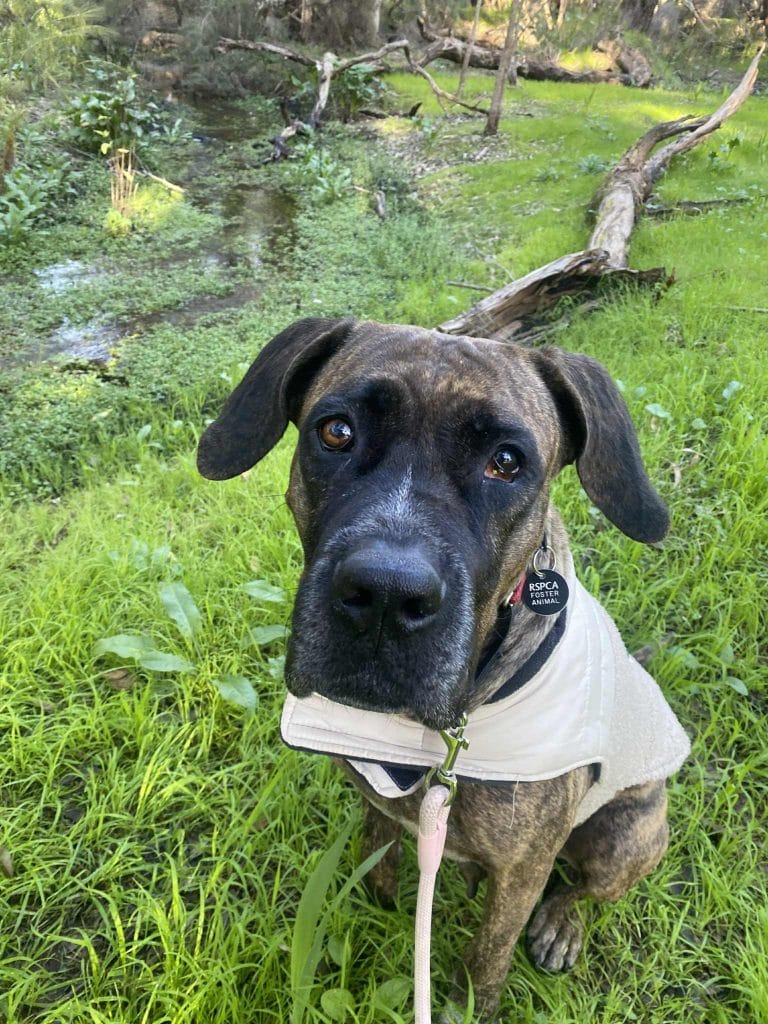
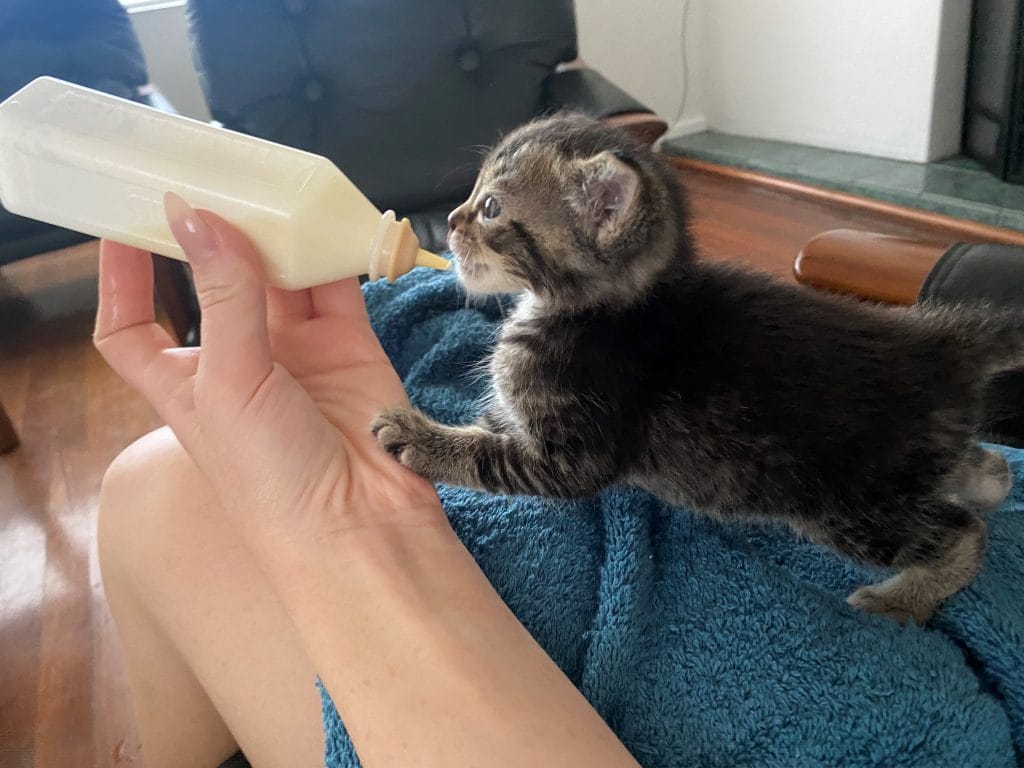
Foster carers play an important role in the recovery and ongoing wellbeing of many animals in our care who benefit from a more predictable and relaxed home environment.
Many animals in our care can’t be listed for adoption just yet, but are perfectly suitable for short- or medium-term fostering, including:
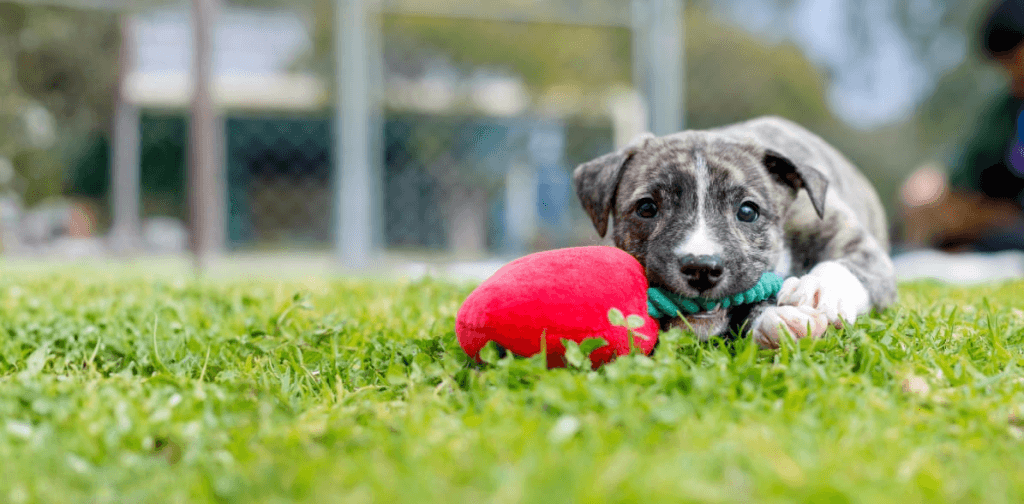
When you generously give your time and energy to foster an animal from RSPCA WA, we provide everything you’ll need to take care of your guest. This includes:

When you foster an animal, you are responsible for their wellbeing until they are returned to the care of RSPCA WA. This includes:
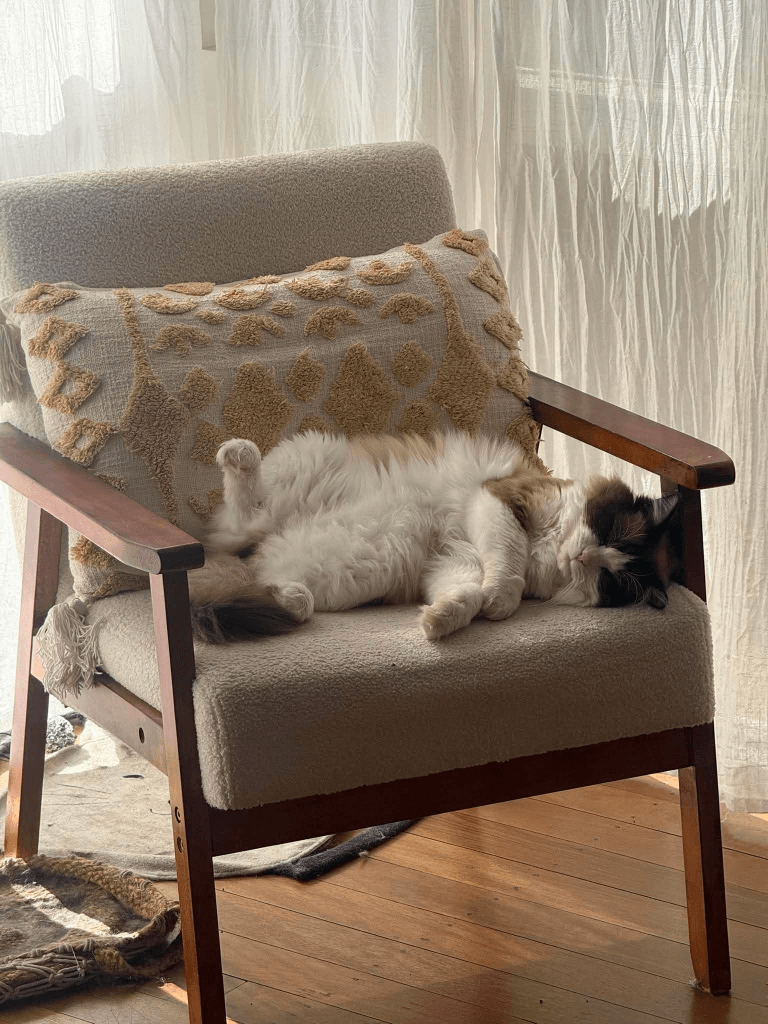
We often have short, medium and long-term fostering options available.
For medium and long-term fostering, we can make alternative care arrangements for your foster pet while you are away on holidays, with at least four weeks’ notice.
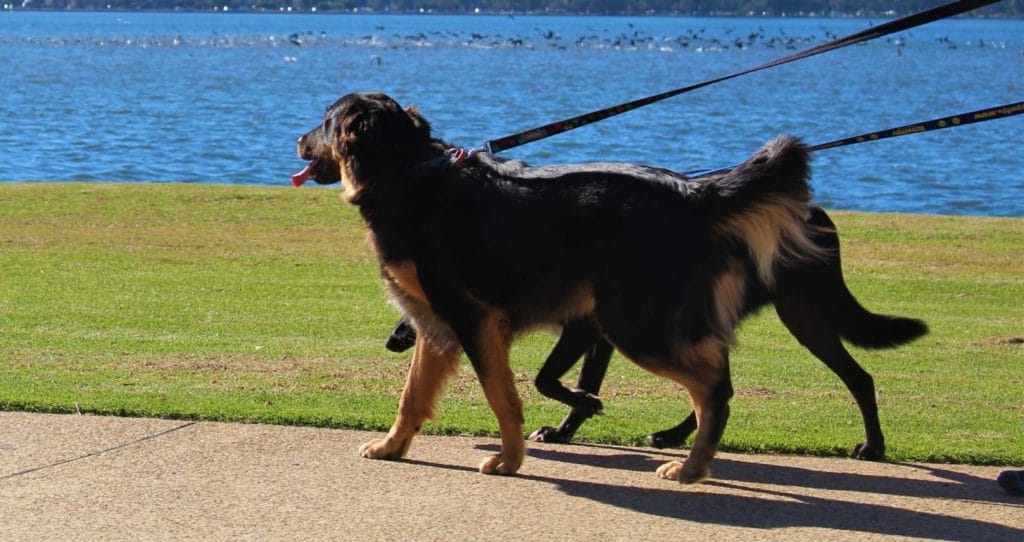
If you’re not ready for a full fostering commitment, you can still make a difference by taking a dog or puppy on an excursion or sleepover.
These flexible foster experiences can be as short as a few hours or as long as a few days, giving dogs and puppies valuable time away from the shelter to decompress, socialise and play.
You can enjoy a one-off outing or develop an ongoing bond by taking the same dog or puppy out regularly (when available and beneficial for them).
Simply apply to become a foster carer, let us know you’re interested in excursions or sleepovers, and reach out whenever you’re available.
Our priority is to place animals who need foster care in the most suitable home for their needs. If we have multiple foster animals available who suit your home or lifestyle, we will do our best to accommodate your preferences. You can always decline a fostering opportunity if you don’t think it’s a suitable match.
There may also be times when the animals available for fostering don’t suit your home or lifestyle. If this is the case, we’ll still keep you on our foster database and get in touch when we find a suitable match.
The period of time an animal needs fostering for can range from days to years. Let us know how long you’d like to foster for, and we’ll let you know about suitable opportunities.
If your circumstances unexpectedly change and you can no longer foster for the agreed foster period, we can always take the animal back into our care at the RSPCA WA Animal Care Centre until a new foster family is found.
Aside from the cost of fuel for transport, there aren’t any notable costs associated with being a foster carer, as RSPCA WA provides you with everything you need. This includes pet food, medications, bowls, bedding, blankets, toys, leads, collars, behaviour training and general support.
Yes. Foster carers are required to collect animals from the RSPCA WA Animal Care Centre and bring them back for regular medical check-ups and behaviour assessments. Since animals are not permitted on public transport, you will need your own transport to convey animals between your home and the RSPCA WA Animal Care Centre in Malaga.
Most foster animals must be brought back to the RSPCA Animal Care Centre in Malaga for regular medical checks and behaviour assessments. The frequency depends on the animal but could be between fortnightly and six-monthly.
Appointments for foster animals are scheduled within the RSPCA WA Animal Care Centre opening hours, Monday to Friday.
Medical appointments and behaviour assessments aren’t available on weekends.
For foster animals in temporary care through our Pets in Crisis program, scheduled medical check-ups are generally not required. Any essential vet care can be provided at your nearest Vetwest Animal Hospital, and Vetwest will invoice RSPCA WA directly, so you won’t be out of pocket.
During the application process to become a foster carer, you will be asked to provide photographs of your property (indoors and outdoors) to demonstrate that you have a suitably safe, secure place to care for the animal. This is adequate for most foster care scenarios, however we may need to conduct a home inspection for special cases, depending on an animal’s needs.
Most of the animals in RSPCA’s care are based at the Animal Care Centre in Malaga. Foster carers are required to bring animals in for regular medical checks and behaviour assessments, so foster care is typically only available in the Perth and Peel regions.
Regional RSPCA WA inspectors based in Geraldton, Kalgoorlie, the Southwest and the Great Southern regions may require local emergency or short-term volunteers to help care for rescued animals prior to those animals being transferred to the Animal Care Centre in Malaga. If you are interested in becoming part of these local networks, please let us know in your application and the foster care team will share your details with the local Inspector.
Most of the animals in RSPCA WA’s care, and especially those who require foster care, have been neglected and mistreated before they were rescued. As a result, they are not socialised and need training to adjust to being around and interacting with people and other pets.
Many of the animals either do not get along with other animals, are fearful of adults or children (or people in general) or are undergoing some sort of behavioural or medical treatment. This may impact your suitability to foster these animals.
Other animals who are suffering from stress or anxiety require quiet, calm homes where they can feel safe while they get used to being around people. For these animals, young children are generally not suitable.
Click below to apply to foster with RSPCA WA and we’ll reach out to discuss the next steps.